緊急地震速報
公開 2026/01/08 08:27
最終更新
2026/01/24 17:27

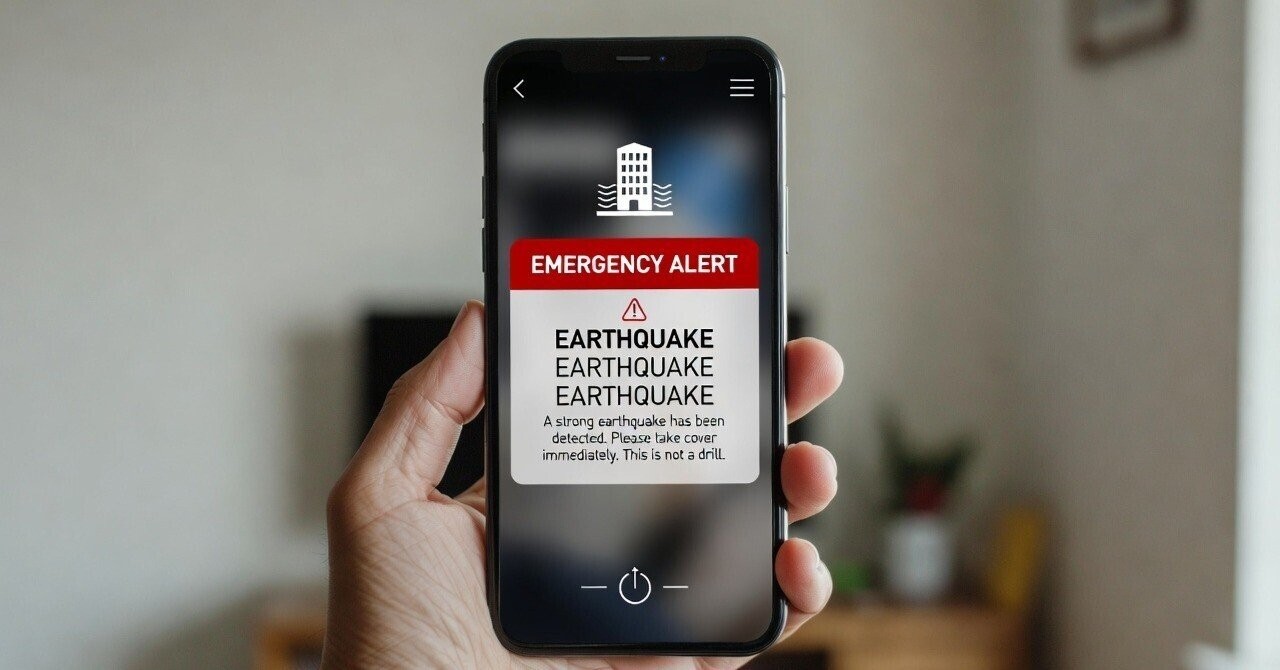
「不協和音を交え、音の高さが急激に変わることを速いテンポで繰り返す緊急地震速報の音は、とにかく人に危険を知らせるためのものだが、私はあの音を聞くと呼吸が止まる。逆に過呼吸を起こす人もいる。感受性の問題だが、もはやトラウマ級のホラーサウンドだ」。#緊急地震速報 #トラウマ #ホラーサウンド
"The emergency earthquake alert sound, with its dissonant notes and rapid tempo of abrupt pitch changes, is meant to warn people of danger. But when I hear that sound, my breath catches. Conversely, some people hyperventilate. It's a matter of sensitivity, but it's become a trauma-level horror sound". #EmergencyEarthquakeAlert #Trauma #HorrorSound
The post articulates a personal aversion to Japan's Emergency Earthquake Warning (EEW) chime, which induces breath-holding or hyperventilation in sensitive individuals, echoing widespread reports of it as a trauma trigger after events like the 2011 Tohoku disaster.
Designed in 2007 by composer Tatsuhiko Ifukube, the sound employs dissonant chords and rapid pitch shifts—resembling frequency-modulated cries in animal distress calls—to maximize urgency and audibility amid noise, inadvertently activating mammalian fear responses via the auditory pathway.
Anecdotal evidence from survivor accounts and media (e.g., 2016 Kumamoto quake surveys) links the chime to PTSD-like symptoms such as panic or freezing, though peer-reviewed studies focus more on behavioral compliance than acoustic-induced anxiety prevalence.
この投稿は、日本の緊急地震速報(EEW)の警報音に対する個人的な嫌悪感を表明している。この音は敏感な個人に息を止める反応や過呼吸を引き起こし、2011年の東北地方太平洋沖地震のような災害後のトラウマ誘発要因として広く報告されている現象を反映している。
2007年に作曲家・伊福部達彦によって設計されたこの音は、不協和音と急激な音程変化(動物の苦痛の鳴き声に見られる周波数変調に類似)を用い、騒音の中でも緊急性と可聴性を最大化することを意図している。しかし結果として、聴覚経路を介して哺乳類の恐怖反応を無意識に活性化させてしまう。
被災者証言やメディア(例:2016年熊本地震調査)の事例報告では、この警報音がパニックや凍りつきといったPTSD様症状と関連付けられているが、査読付き研究では音響誘発性不安の有病率よりも行動的服従性に焦点が当てられている。